ﻣﺠﻤﻮﻋﺘﻨﺎ اﻟﺸﺎﻣﻠﺔ ﻣﻦ اﻟﺘﺪﺧﻼت اﻟﻌﻼﺟﻴﺔ
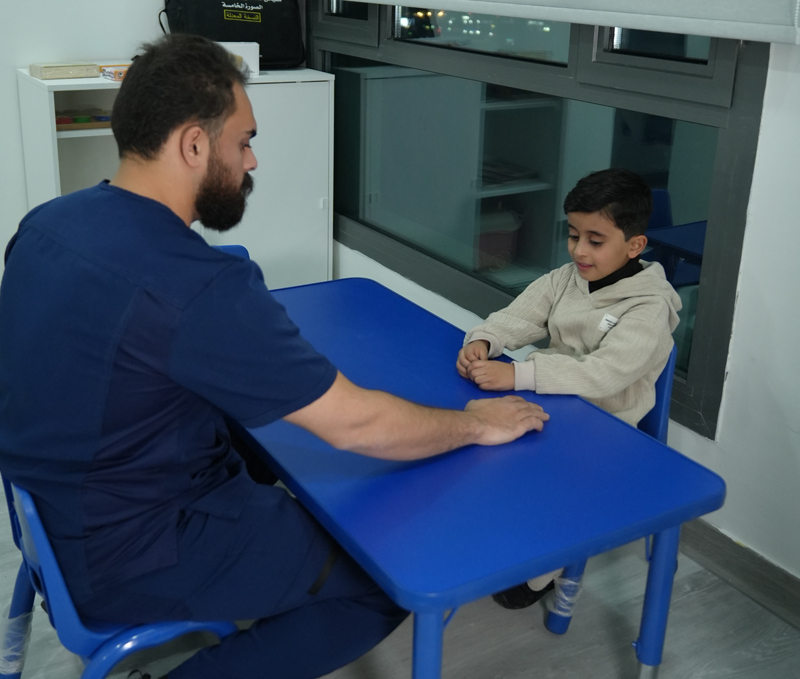
ﻳﺘﻢ ﺗﻘﻴﻴﻢ ﺟﻤﻴﻊ اﻟﺠﻮاﻧﺐ اﻟﻨﻤﺎﺋﻴﺔ ﻟﻠﻄﻔﻞ ﻣﻦ ﻗﺒﻞ ﻓﺮﻳﻖ اﻷﺧﺼﺎﺋﻴﻴﻦ ﺑﺎﻟﻤﺮﻛﺰ، وﻳﺸﻤﻞ ذﻟﻚ اﻟﺘﻘﻴﻴﻢ اﻟﺴﻠﻮﻛﻲ واﻹدراﻛﻲ، وﺗﻘﻴﻴﻢ اﻟﻨﻄﻖ واﻟﻠﻐﺔ واﻟﺘﻮاﺻﻞ واﻟﺘﻔﺎﻋﻞ اﻻﺟﺘﻤﺎﻋﻲ، ﺑﺎﻹﺿﺎﻓﺔ إﻟﻰ اﻟﺘﻘﻴﻴﻢ اﻟﻮﻇﻴﻔﻲ ورﺻﺪ اﻟﺘﺤﺪﻳﺎت اﻟﺤﺴﻴﺔ.
ﻛﻤﺎ ﻳﺘﻀﻤﻦ اﻟﺘﻘﻴﻴﻢ إﺟﺮاء اﺧﺘﺒﺎرات اﻟﺬﻛﺎء اﻟﻤﻌﻴﺎرﻳﺔ، وﺗﻘﻴﻴﻢ وﺗﺸﺨﻴﺺ ﺣﺎﻻت ﺻﻌﻮﺑﺎت اﻟﺘﻌﻠّﻢ، ﺑﻬﺪف ﺗﺤﺪﻳﺪ ﻧﻘﺎط اﻟﻘﻮة واﻟﺘﺤﺪﻳﺎت ﺑﺪﻗﺔ ووﺿﻊ ﺧﻄﺔ ﺗﺪﺧﻞ ﻓﺮدﻳﺔ ﻣﻨﺎﺳﺒﺔ ﻟﻜﻞ ﻃﻔﻞ.
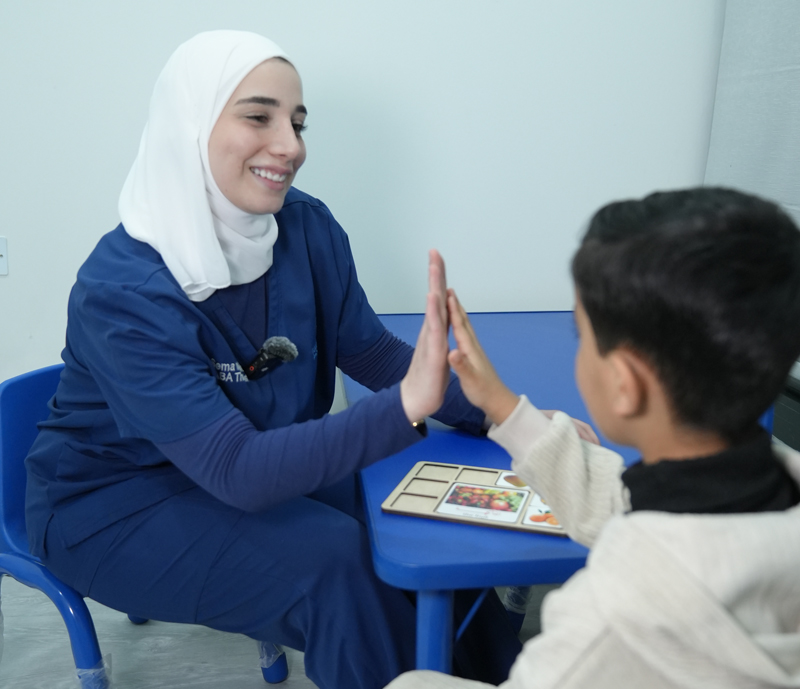
ﻳُﻌﺪ ﺗﺤﻠﻴﻞ اﻟﺴﻠﻮك اﻟﺘﻄﺒﻴﻘﻲ أﺳﻠﻮﺑًﺎ ﻋﻼﺟﻴًﺎ ﻣﻜﺜﻔًﺎ أﺛﺒﺖ ﻓﻌﺎﻟﻴﺘﻪ ﻋﻠﻤﻴًﺎ ﻓﻲ اﻟﺘﺪﺧﻼت اﻟﻌﻼﺟﻴﺔ، وﻳﻌﺘﻤﺪ ﻋﻠﻰ اﺳﺘﺨﺪام اﺳﺘﺮاﺗﻴﺠﻴﺎت ﺳﻠﻮﻛﻴﺔ ﻣﺪروﺳﺔ ﻹﺣﺪاث ﺗﻐﻴﻴﺮ إﻳﺠﺎﺑﻲ ﻓﻲ ﺳﻠﻮك اﻟﻄﻔﻞ، وﺗﻨﻤﻴﺔ ﻣﻬﺎرات اﻟﺘﻮاﺻﻞ واﻟﺘﻔﺎﻋﻞ اﻻﺟﺘﻤﺎﻋﻲ، وﺧﻔﺾ اﻟﻤﺸﻜﻼت اﻟﺴﻠﻮﻛﻴﺔ، ﺑﻤﺎ ﻳﺴﻬﻢ ﻓﻲ ﺗﺤﺴﻴﻦ ﻗﺪرة اﻟﻄﻔﻞ ﻋﻠﻰ اﻟﺘﻌﻠﻢ واﻻﺳﺘﻘﻼﻟﻴﺔ.
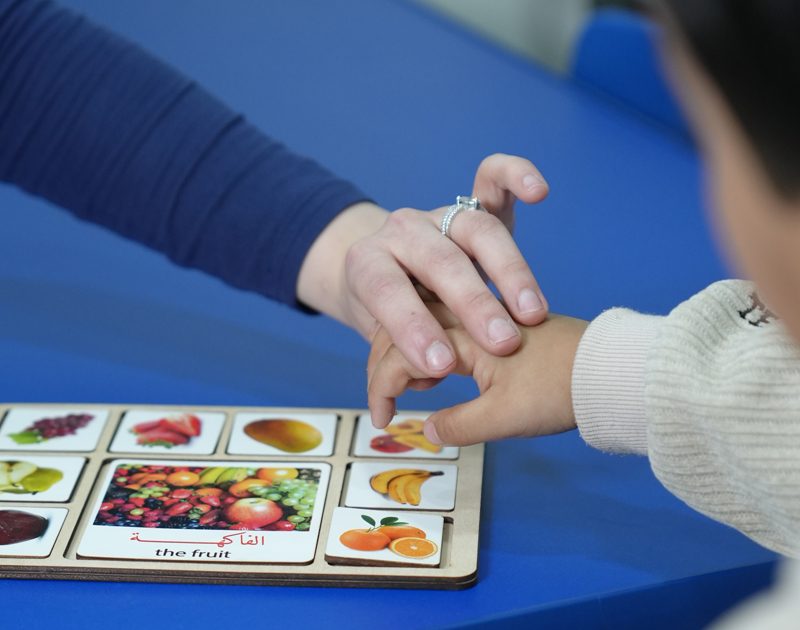
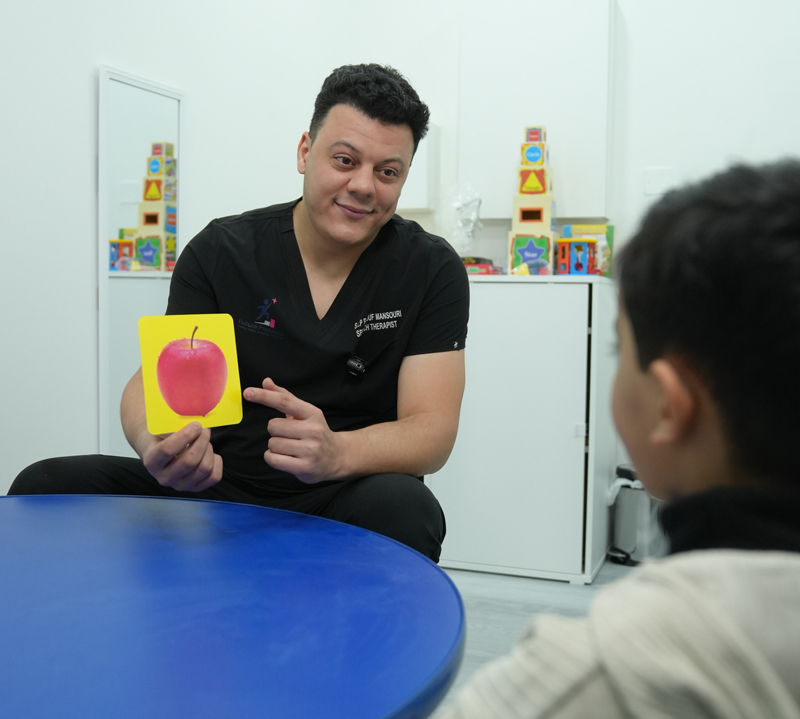
ﻳﻌﻤﻞ ﻓﺮﻳﻖ اﻟﻨﻄﻖ واﻟﻠﻐﺔ ﻋﻠﻰ ﺗﻄﻮﻳﺮ ﻣﻬﺎرات اﻟﺘﻮاﺻﻞ ﻟﺪى اﻷﻃﻔﺎل ﻣﻦ ﺧﻼل ﺗﻨﻤﻴﺔ ﻣﻬﺎرات ﻣﺎ ﻗﺒﻞ اﻟﻠﻐﺔ، واﻟﻠﻐﺔ اﻻﺳﺘﻘﺒﺎﻟﻴﺔ واﻟﺘﻌﺒﻴﺮﻳﺔ، وﺗﺤﺴﻴﻦ اﻟﻨﻄﻖ وﻣﺨﺎرج اﻷﺻﻮات، وزﻳﺎدة اﻟﺤﺼﻴﻠﺔ اﻟﻠﻐﻮﻳﺔ، وﺗﻨﻤﻴﺔ ﻣﻬﺎرات اﻟﺘﻮاﺻﻞ واﻟﻤﺒﺎدرة ﻓﻲ اﻟﻜﻼم، وﺗﻌﺰﻳﺰ اﻟﺘﻔﺎﻋﻞ اﻻﺟﺘﻤﺎﻋﻲ.
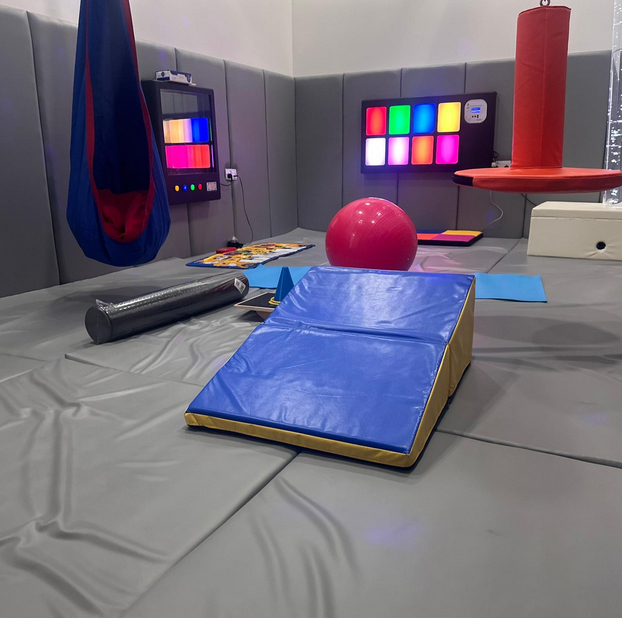
ﻳﻬﺪف اﻟﻌﻼج اﻟﻮﻇﻴﻔﻲ إﻟﻰ ﺗﺤﺴﻴﻦ ﺟﻮدة ﺣﻴﺎة اﻟﻄﻔﻞ ﻣﻦ ﺧﻼل ﺗﻨﻤﻴﺔ اﻟﻤﻬﺎرات اﻟﺤﺮﻛﻴﺔ اﻟﻜﺒﺮى واﻟﺪﻗﻴﻘﺔ، واﻟﻤﻬﺎرات اﻹدراﻛﻴﺔ واﻻﺟﺘﻤﺎﻋﻴﺔ، واﻟﺘﻌﺎﻣﻞ ﻣﻊ اﻟﺘﺤﺪﻳﺎت اﻟﺤﺴﻴﺔ اﻟﻤﺨﺘﻠﻔﺔ، ﺑﻤﺎ ﻳﻤﻜّﻦ اﻟﻄﻔﻞ ﻣﻦ اﻻﻋﺘﻤﺎد ﻋﻠﻰ ﻧﻔﺴﻪ ﻓﻲ أﻧﺸﻄﺔ اﻟﺤﻴﺎة اﻟﻴﻮﻣﻴﺔ ﻣﺜﻞ اﻷﻛﻞ وارﺗﺪاء اﻟﻤﻼﺑﺲ واﻻﻋﺘﻨﺎء ﺑﺎﻟﺬات واﻟﻨﻮم.
ﻳﻘﺪّم اﻟﻤﺮﻛﺰ ﺧﺪﻣﺎت اﻟﺘﻘﻴﻴﻢ واﻟﻌﻼج اﻟﻨﻔﺴﻲ ﻟﻸﻃﻔﺎل اﻟﺬﻳﻦ ﻳﻮاﺟﻬﻮن ﺗﺤﺪﻳﺎت ﻧﻔﺴﻴﺔ أو اﻧﻔﻌﺎﻟﻴﺔ، ﻣﺜﻞ اﻟﻘﻠﻖ واﺿﻄﺮاﺑﺎت اﻟﻤﺰاج واﺿﻄﺮاب ﻣﺎ ﺑﻌﺪ اﻟﺼﺪﻣﺔ واﻻﻛﺘﺌﺎب واﺿﻄﺮاﺑﺎت اﻟﺴﻠﻮك واﻻﻧﻔﻌﺎﻻت اﻟﻤﺨﺘﻠﻔﺔ، ﻣﻊ ﺗﻮﻓﻴﺮ ﺑﺮاﻣﺞ ﻋﻼﺟﻴﺔ داﻋﻤﺔ ﺗﻨﺎﺳﺐ اﺣﺘﻴﺎﺟﺎت ﻛﻞ ﻃﻔﻞ، ﻓﻲ ﺑﻴﺌﺔ آﻣﻨﺔ وﻣﺤﻔّﺰة.
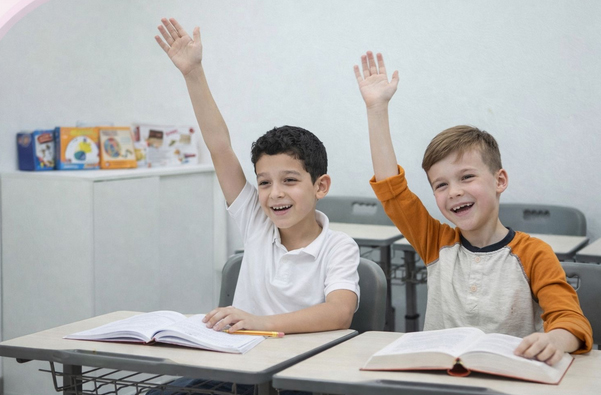
ﺮاﻣﺞ ﺗﻌﻠﻴﻤﻴﺔ ﻋﻼﺟﻴﺔ ﻣﺘﺨﺼﺼﺔ ﻟﺪﻋﻢ اﻷﻃﻔﺎل اﻟﺬﻳﻦ ﻳﻌﺎﻧﻮن ﻣﻦ ﺻﻌﻮﺑﺎت أو ﺑﻂء ﻓﻲ اﻟﺘﻌﻠّﻢ، واﻟﺘﻲ ﻗﺪ ﺗﺆﺛﺮ ﻋﻠﻰ ﻣﻬﺎرات اﻟﻘﺮاءة أو اﻟﻜﺘﺎﺑﺔ أو اﻟﺤﺴﺎب أو اﻟﻔﻬﻢ اﻷﻛﺎدﻳﻤﻲ. ﻳﺒﺪأ اﻟﻌﻤﻞ ﺑﺘﻘﻴﻴﻢ ﺗﺮﺑﻮي دﻗﻴﻖ ﻟﺘﺤﺪﻳﺪ ﻧﻮع اﻟﺼﻌﻮﺑﺔ وﻣﺴﺘﻮى اﻷداء، ﺛﻢ إﻋﺪاد ﺧﻄﺔ ﺗﻌﻠﻴﻤﻴﺔ ﻋﻼﺟﻴﺔ ﻓﺮدﻳﺔ ﺗﻨﺎﺳﺐ اﺣﺘﻴﺎﺟﺎت اﻟﻄﻔﻞ. ﺗُﻨﻔّﺬ اﻟﺒﺮاﻣﺞ ﺑﺎﺳﺘﺨﺪام أﺳﺎﻟﻴﺐ ﺗﺮﺑﻮﻳﺔ ﺣﺪﻳﺜﺔ ﺗﻬﺪف إﻟﻰ ﺗﺤﺴﻴﻦ اﻟﻤﻬﺎرات اﻷﻛﺎدﻳﻤﻴﺔ، وﺗﻌﺰﻳﺰ اﻻﻧﺘﺒﺎه واﻟﺬاﻛﺮة، وﺑﻨﺎء اﻟﺜﻘﺔ ﺑﺎﻟﻨﻔﺲ، ﻣﻊ اﻟﻤﺘﺎﺑﻌﺔ اﻟﻤﺴﺘﻤﺮة واﻟﺘﻌﺎون ﻣﻊ اﻷﺳﺮة واﻟﻤﺪرﺳﺔ ﻟﻀﻤﺎن أﻓﻀﻞ ﺗﻘﺪّم ﻣﻤﻜﻦ
ﻳﻘﻮم ﻓﺮﻳﻖ اﻟﻤﺮﻛﺰ ﺑﻤﺘﺎﺑﻌﺔ اﻟﻄﻔﻞ داﺧﻞ اﻟﺤﻀﺎﻧﺔ أو اﻟﻤﺪرﺳﺔ ﻣﻦ ﺧﻼل زﻳﺎرات ﻣﻴﺪاﻧﻴﺔ
ﻟﻤﻼﺣﻈﺔ ﺳﻠﻮﻛﻪ وﺗﻔﺎﻋﻠﻪ ﻣﻊ اﻷﻗﺮان واﻟﻤﻌﻠﻤﻴﻦ ﻓﻲ ﺑﻴﺌﺘﻪ اﻟﻄﺒﻴﻌﻴﺔ، ﻣﻊ ﺗﻘﺪﻳﻢ ﺗﻘﺎرﻳﺮاﻟﺘﻌﻠﻴﻤﻴﺔ اﻟﺒﻴﺌﺎت داﺧﻞ اﻟﻌﻼﺟﻴﺔ اﻷﻫﺪاف ﺗﻌﻤﻴﻢ ﻟﺪﻋﻢ واﺿﺤﺔ وﺧﻄﻂ دورﻳﺔ اﻟﻤﺨﺘﻠﻔﺔ.
ﻳﻮﻓّﺮ ﻣﺮﻛﺰ رواد اﻟﻤﺴﺘﻘﺒﻞ ﻟﻠﺘﺪﺧﻞ اﻟﻤﺒﻜﺮ ﺧﺪﻣﺔ ﻣﻌﻠﻢ اﻟﻈﻞ داﺧﻞ اﻟﻤﺪارس اﻟﻌﺮﺑﻴﺔ واﻷﺟﻨﺒﻴﺔ ﻣﻦ ﺧﻼل ﻧﺨﺒﺔ ﻣﻦ اﻟﻤﻌﻠﻤﻴﻦ واﻟﻤﻌﻠﻤﺎت اﻟﻤﺨﺘﺼﻴﻦ واﻟﻤﺪرّﺑﻴﻦ ﻋﻠﻰ دﻋﻢ اﻷﻃﻔﺎل داﺧﻞ اﻟﺼﻒ اﻟﺪراﺳﻲ.
ﺗﻬﺪف ﻫﺬه اﻟﺨﺪﻣﺔ إﻟﻰ ﻣﺴﺎﻋﺪة اﻟﻄﻔﻞ أﻛﺎدﻳﻤﻴًﺎ وﺳﻠﻮﻛﻴًﺎ، وﺗﻌﺰﻳﺰ ﺗﻔﺎﻋﻠﻪ ﻣﻊ اﻟﻤﻌﻠﻤﻴﻦ واﻷﻗﺮان، وﺗﻨﻤﻴﺔ اﺳﺘﻘﻼﻟﻴﺘﻪ داﺧﻞ اﻟﺒﻴﺌﺔ اﻟﺘﻌﻠﻴﻤﻴﺔ، ﻣﻊ اﻟﻤﺘﺎﺑﻌﺔ اﻟﻤﺴﺘﻤﺮة واﻟﺘﻨﺴﻴﻖ ﺑﻴﻦ اﻷﺳﺮة واﻟﻤﺮﻛﺰ واﻟﻤﺪرﺳﺔ ﻟﺘﺤﻘﻴﻖ أﻓﻀﻞ ﻣﺴﺘﻮى ﻣﻦ اﻟﺘﻘﺪّم.
ﻳﻘﺪّم اﻟﻤﺮﻛﺰ اﻻﺳﺘﺸﺎرات اﻟﻤﺘﺨﺼﺼﺔ ﻟﻠﻮاﻟﺪﻳﻦ وﻣﻘﺪﻣﻲ اﻟﺮﻋﺎﻳﺔ ﻋﻨﺪ ﻣﻼﺣﻈﺔ أي ﺗﺤﺪﻳﺎت ﻧﻤﺎﺋﻴﺔ أو ﺳﻠﻮﻛﻴﺔ ﻟﺪى اﻟﻄﻔﻞ، ﻣﻊ ﺗﺪرﻳﺒﻬﻢ ﻋﻠﻰ ﻛﻴﻔﻴﺔ اﻟﺘﻌﺎﻣﻞ ﻣﻊ اﻟﻄﻔﻞ وﺗﻄﺒﻴﻖ اﻷﻫﺪاف اﻟﻌﻼﺟﻴﺔ داﺧﻞ اﻟﻤﻨﺰل، ﺑﻤﺎ ﻳﻀﻤﻦ اﺳﺘﻤﺮارﻳﺔ اﻟﺘﺪﺧﻞ وﺗﺤﻘﻴﻖ أﻓﻀﻞ اﻟﻨﺘﺎﺋﺞ.